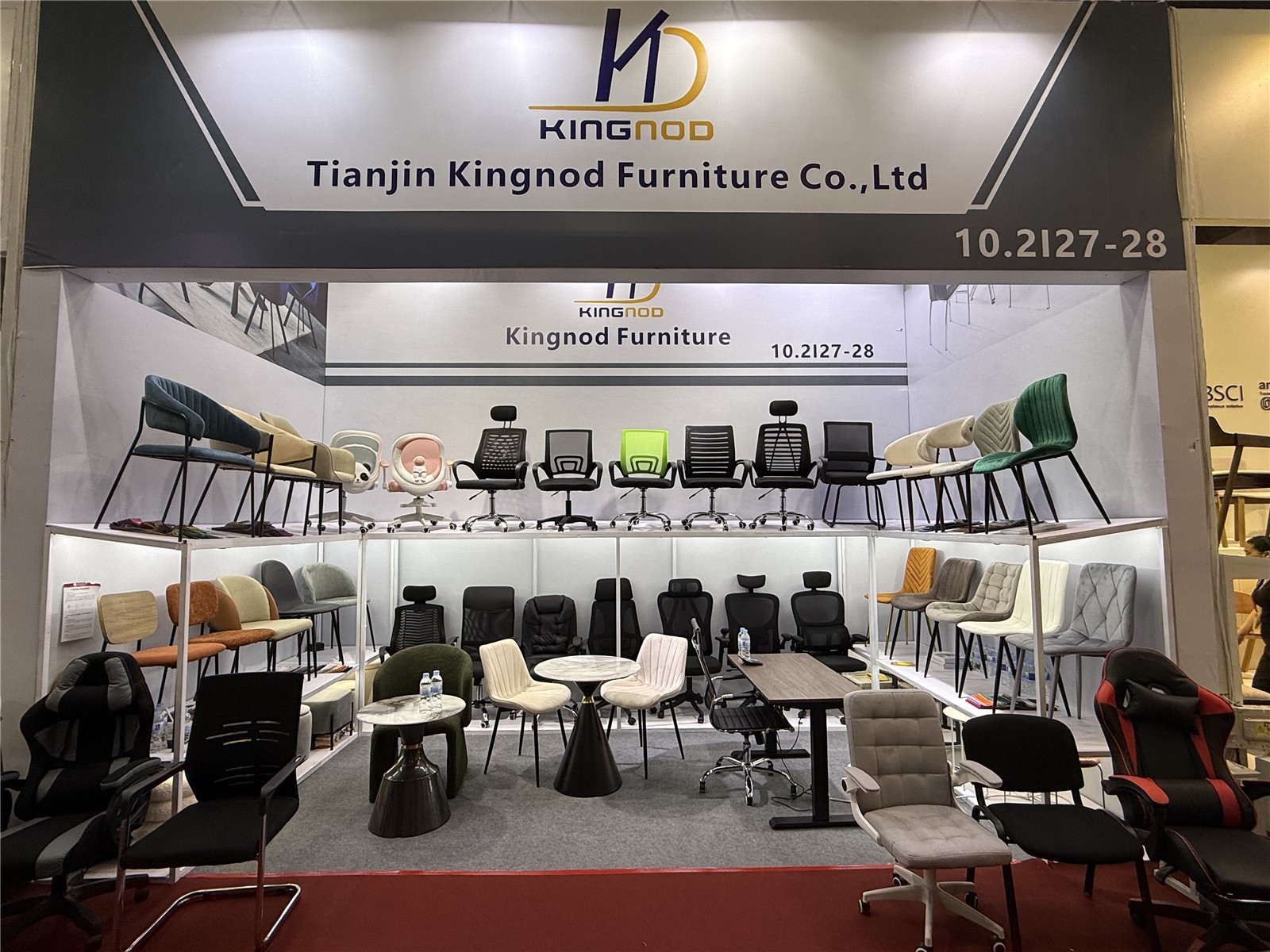
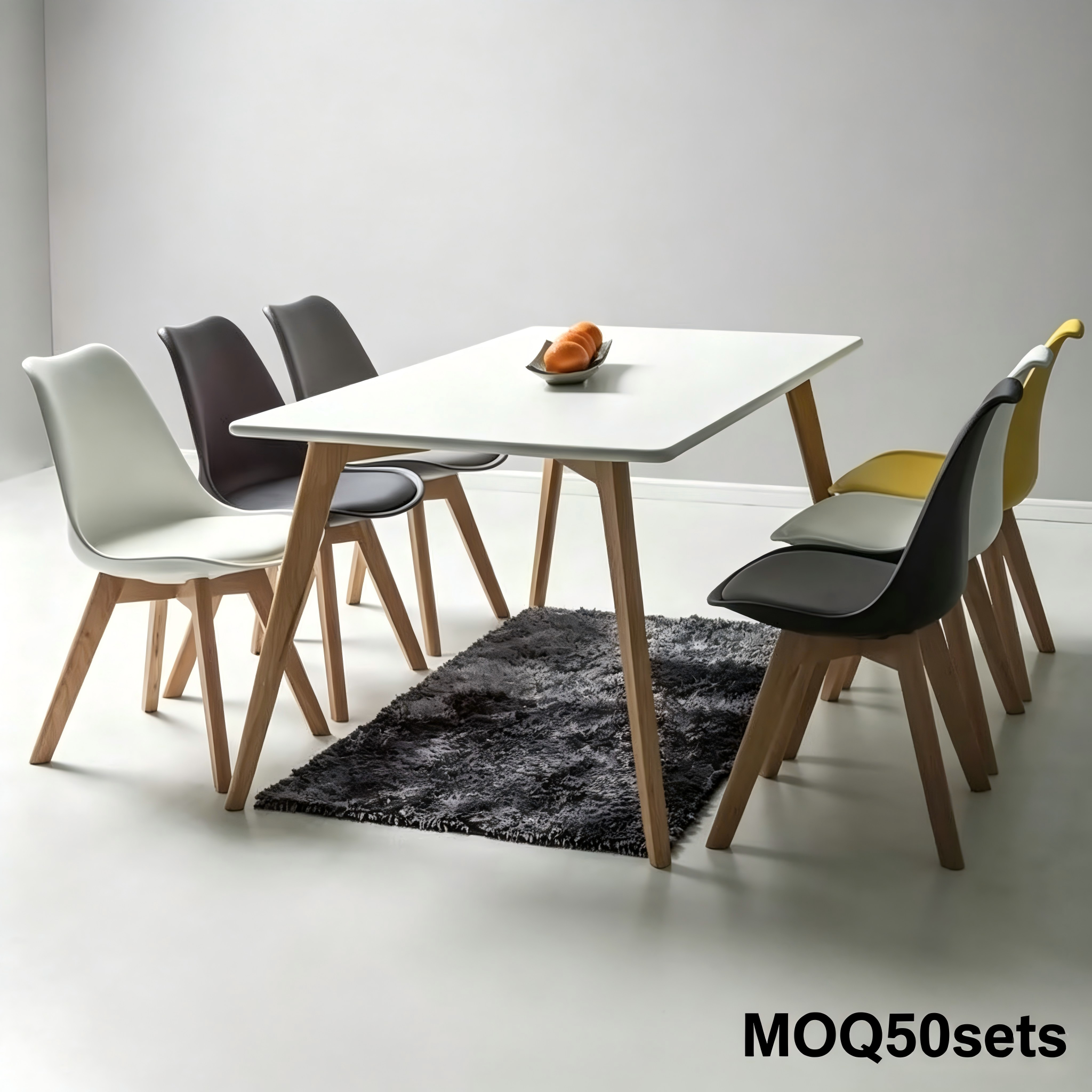
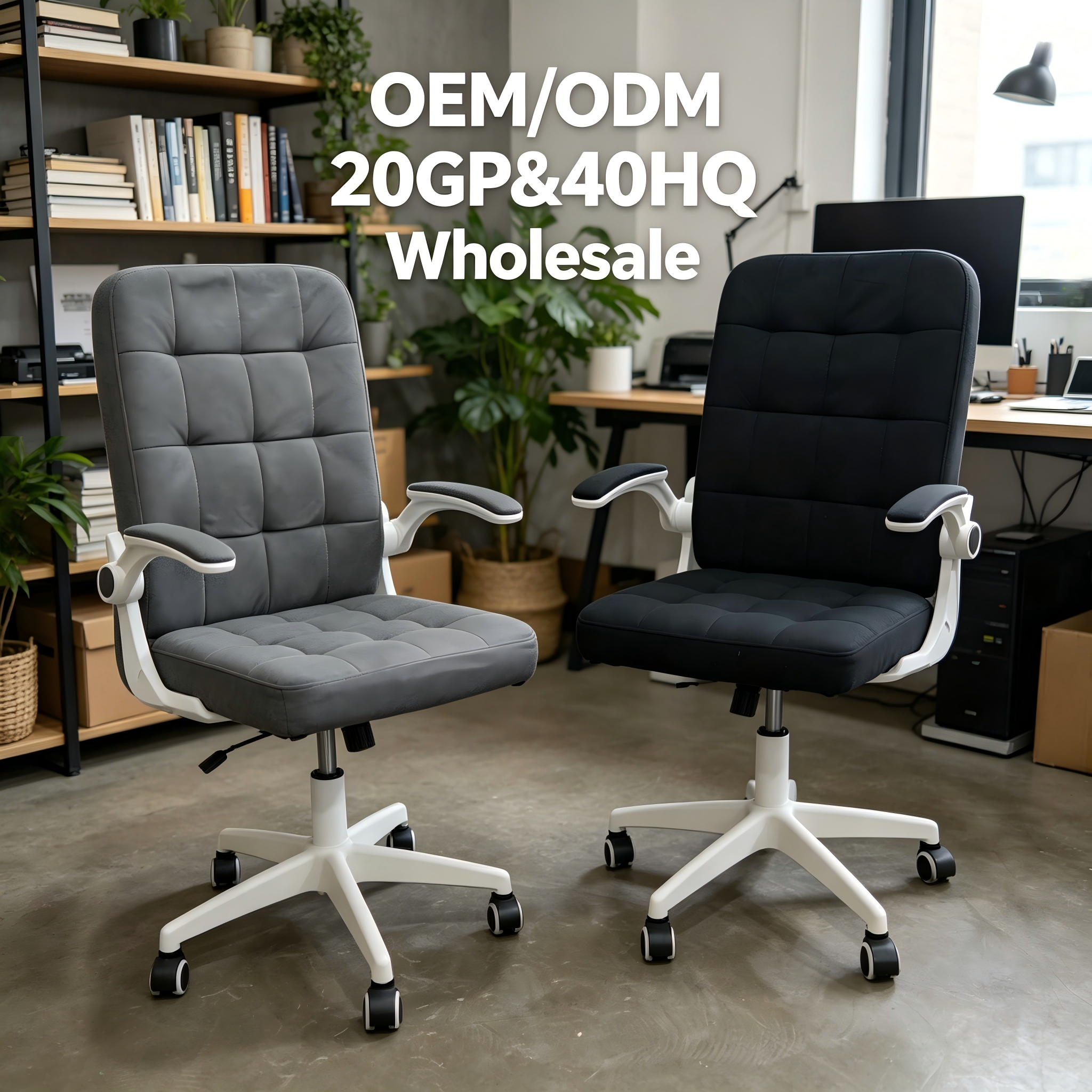
A retail furniture product can look suitable for a hotel, restaurant or café and still be the wrong choice for a commercial project. The difference is not always visible in a product photograph. Contract furniture is selected around repeated use, project consistency, documentation, delivery coordination and replacement planning.
For importers, hospitality contractors and commercial furniture distributors, understanding the difference helps prevent a common sourcing mistake: comparing a project product and a retail product only by appearance and unit price.

What Contract Furniture Means in Practice
Contract furniture is intended for commercial, hospitality, institutional or project environments. The buyer usually needs consistent quantities, clear specifications, suitable packaging and a repeat-order process.
Typical applications include:
- Restaurants and cafés
- Hotels and guest areas
- Bars and hospitality venues
- Banquet and event spaces
- Offices and meeting rooms
- Schools, churches or public venues
- Multi-site commercial projects
The exact requirements vary by application. A restaurant chair, banquet chair and office chair should not be treated as interchangeable because they are used, stored and maintained differently.
Retail and Contract Buying Have Different Priorities
A retail purchase may focus on a single product, immediate availability, appearance and home use. A contract order usually requires the buyer to control a larger set of variables:
- Quantity by model and finish
- Dimensions and layout fit
- Material and cleaning requirements
- Packaging and delivery coordination
- Quality approval and inspection
- Consistency across multiple shipments
- Replacement parts or repeat orders
This does not mean retail furniture is automatically unsuitable. It means the buyer should verify whether the product and supplier can meet the project’s operating and documentation requirements.
Use Case Changes the Specification
For a restaurant, cleanability, table clearance, seating layout and daily handling may be important. For a hotel lobby, the buyer may place more emphasis on design consistency, upholstery and replacement availability. For a banquet venue, stacking, storage and movement can be more important than individual comfort features.
A commercial furniture manufacturer should ask about the intended use before recommending a model. If the supplier only sends catalogue images and a unit price, the buyer may need to provide a more detailed project brief.
Materials and Maintenance
PP chairs, metal chairs, upholstered chairs and mixed-material furniture may each suit different commercial environments. The buyer should ask how the material is cleaned, how the finish is controlled and which parts are likely to wear.
For upholstered products, confirm fabric or PU material, color reference, stitching and cleaning guidance. For metal furniture, review surface finish, connection points and protection during transport. For PP furniture, check the shell, legs, hardware and stacking requirements.
A product should be assessed in relation to its actual environment, not only its material name.
Documentation and Samples Matter More in Projects
A project order needs a clear reference. Ask for:
- Product dimensions
- Material and finish description
- Approved color or fabric reference
- Packaging information
- Assembly instructions, if needed
- Quality-control checkpoints
- Product model code and revision
For a large order, approve a sample or first article before mass production. The sample can be used to confirm details that are difficult to judge from photographs.
Delivery and Repeat Supply
Commercial furniture is often delivered to a project site with a fixed installation schedule. Carton dimensions, loading method, labeling and protection can affect the delivery process.
For a restaurant group or distributor, future supply also matters. Record the model code, finish and approved reference so that a later order can be matched as closely as possible. Ask how changes to materials or components will be communicated.

Questions for a Commercial Furniture Supplier
Before selecting a supplier, ask:
- Is the product intended for the proposed commercial application?
- Can the supplier provide complete dimensions and materials?
- Which finishes and colors are repeatable for future orders?
- What sample and inspection process is available?
- How will the furniture be packed and labeled?
- Which spare parts or replacement units can be supplied?
- Can the supplier handle the required quantity and delivery plan?
- Are OEM or ODM changes available if the project requires them?
Conclusion
The main difference between contract and retail furniture is the way the product is evaluated and supplied. Contract buyers need to control the complete project record: use case, specification, sample, quality, packaging, delivery and repeat supply.
When comparing suppliers, do not stop at appearance and unit price. Confirm whether the product can work in the intended commercial environment and whether the supplier can support the order after the first shipment.
Suggested internal links: Dining and restaurant chairs; banquet and church chairs; commercial bar stools.